


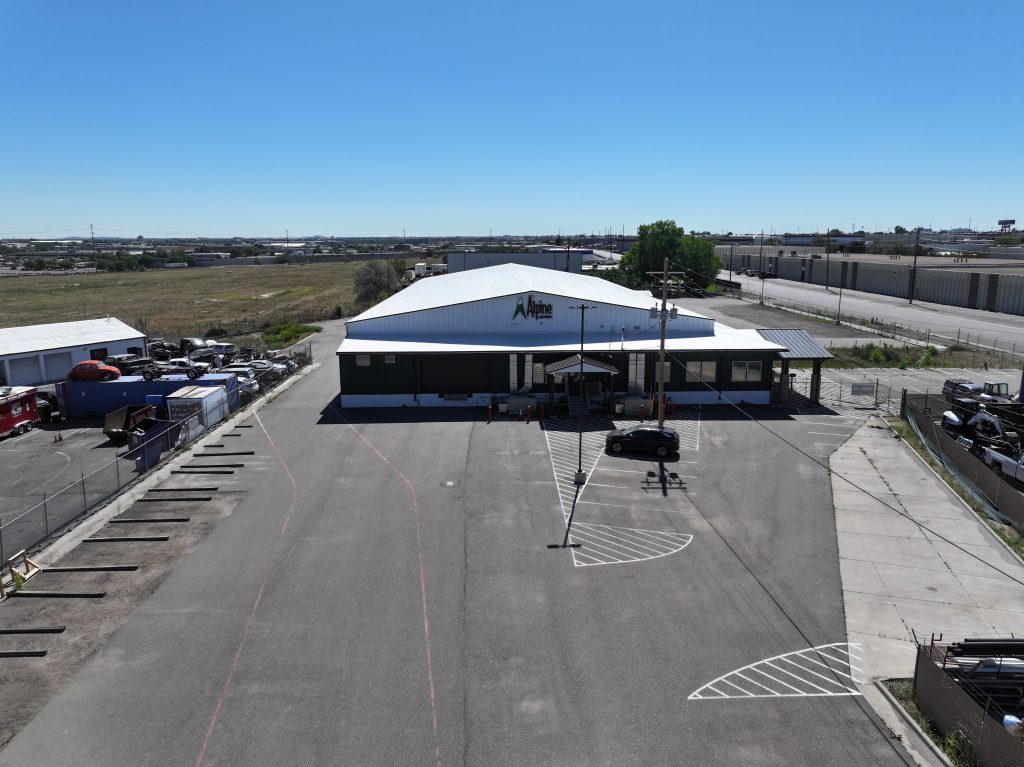
For Lakewood, we frame retail leasing around what the company must accomplish during the next transaction cycle. That means defining customer access, ingress and egress, and parking, visibility, signage, and storefront presence, and neighboring uses and customer-generating activity before a favorite building or location starts shaping the requirement.
The working outcome is straightforward: compare customer access, visibility, co-tenancy, physical requirements, occupancy cost, and lease terms for a retail location. We keep that outcome visible throughout the Lakewood assignment so new information can change the ranking without changing the decision standard.
See our tenant representation services for the broader occupier framework; this page applies it to retail leasing with zoning, redevelopment conditions, transit access, and improvement requirements kept in view.
How Zoning, Transit, and Redevelopment Shape Retail Leasing
We do not score an option in Lakewood on one attractive feature. For this retail leasing assignment, total occupancy cost and landlord contribution, lease term, options, use rights, and opening schedule, and customer access, ingress and egress, and parking are reviewed as a package so the client can see immediate fit and the cost of correcting a shortfall.
The assignment then moves from screening to action: we negotiate business terms while location alternatives remain credible, define the customer pattern and operating requirements, and map realistic trade areas and submarket options. Throughout those steps, visibility, signage, and storefront presence remains visible so new information can change the ranking without forcing the analysis to restart.
Our commercial real estate process connects requirements, screening, tours, and negotiation; here we apply those steps to retail leasing while accounting for zoning, redevelopment conditions, transit access, and improvement requirements.
What We Compare Side by Side
The weighting changes by company. For this Lakewood retail leasing assignment, we keep the following items visible so function, economics, and diligence are compared on the same basis.
- Customer access, ingress and egress, and parking — confirm how it affects the Lakewood requirement before advancing a finalist.
- Visibility, signage, and storefront presence — compare it consistently across the serious local options.
- Neighboring uses and customer-generating activity — identify who can confirm it and whether a weak answer is disqualifying.
- Floorplan, utilities, delivery access, and build-out — classify it as a constraint, cost tradeoff, or negotiation point for Lakewood.
Local Conditions Worth Testing Early
Lakewood spans a broad west-metro area with commercial nodes that differ in visibility, transit access, building age, customer patterns, and property type. West Colfax, Wadsworth, Union Boulevard, the Federal Center area, and other locations can solve very different business problems, so we compare submarkets before narrowing the search to individual addresses.
In this service context, we translate the area’s characteristics into two immediate tests—visibility, signage, and storefront presence and total occupancy cost and landlord contribution—while keeping corridor choice, zoning, and the tradeoff between existing improvements and future flexibility visible. By screening for actual business use, we avoid letting a generic neighborhood description substitute for the property-level questions that matter.
Why Implementation Belongs in the Real Estate Decision
The economics can become misleading when access, signage, utility work, or opening costs undermine the location. We identify that condition before the process narrows and weigh it against cases where customer access and existing infrastructure reduce both opening risk and capital spending. The cost and timing of getting the property ready stay visible throughout the comparison.
Where Local Rules and Maps Enter the Process
For this retail leasing assignment, public information helps identify which assumptions deserve confirmation before the transaction narrows. Local research supports the screen; it does not stand in for the specialist review a lease, acquisition, improvement project, or regulated use may require.
- Lakewood business startup guidance — A starting point for retail leasing diligence involving zoning, redevelopment conditions, transit access, and improvement requirements; formal determinations still require the proper authority.
- Lakewood zone district summaries — Helps frame local retail leasing questions tied to zoning, redevelopment conditions, transit access, and improvement requirements before the shortlist narrows.
- Lakewood commercial reinvestment information — Public-source context for retail leasing decisions where zoning, redevelopment conditions, transit access, and improvement requirements may affect cost, timing, or feasibility.
- RTD regional transit information — Useful for identifying the next retail leasing diligence question when zoning, redevelopment conditions, transit access, and improvement requirements matter to the decision.
Building Leverage One Step at a Time
We move through the Lakewood retail leasing assignment in stages so each decision improves the next one. The working schedule connects the business deadline with internal approvals and the diligence needed to keep the retail leasing decision moving without shortcuts.
- Define the customer pattern and operating requirements, using the local requirement as the standard.
- Map realistic trade areas and submarket options, keeping the operating requirement ahead of deal momentum.
- Screen sites before investing in design work and carry unresolved property questions forward.
- Tour with access, visibility, and back-of-house criteria, with timing consequences documented at the same step.
As a market reference, review our current Benchmark listings. We use that inventory as a starting point, not a substitute for a complete Lakewood retail leasing search.
A Practical Example of the Tradeoff
Picture a retailer planning a new location evaluating a property in Lakewood. The transaction can look favorable until access, signage, utility work, or opening costs undermine the location, while a competing option may become more practical when customer access and existing infrastructure reduce both opening risk and capital spending. That tradeoff belongs in the same retail leasing comparison.
A Clearer Commercial Real Estate Process
Benchmark Commercial’s Denver-based perspective is paired with stated values of relationships, communication, honesty, simplicity, and accountability. In this Lakewood retail leasing assignment, those values translate into clear comparisons, direct discussion of risk, and a recommendation tied to the client’s operating goals.
Our commercial real estate FAQs covers common transaction questions; this retail leasing page adds the local property layer, including zoning, redevelopment conditions, transit access, and improvement requirements.
Questions We Hear During This Type of Assignment
Q: How early should a company begin retail leasing work in Lakewood?
A: Lead time creates choices. We want enough runway to define the requirement, research alternatives, compare economics, and negotiate terms before the deadline becomes the deciding factor.
Q: How do we keep retail leasing work in Lakewood focused on viable options?
A: Focus comes from a written requirement. We remove weak options quickly and keep borderline ones only when there is a clear reason to do more work.
Q: Which local issue deserves early verification during retail leasing work in Lakewood?
A: We would put corridor choice, zoning, and the tradeoff between existing improvements and future flexibility on the early diligence list. Public resources can help screen the concern, but a municipality or qualified professional should confirm any answer that affects the commitment.
Q: Who should confirm zoning, code, environmental, engineering, or legal questions during retail leasing work in Lakewood?
A: Commercial real estate advice and technical approval are different roles. We can surface a concern, but formal conclusions should come from the public authority or professional whose expertise governs the question.
Bring us the Lakewood requirement before the shortlist is fixed, and we can organize the search, economics, diligence questions, and negotiation around the business outcome.