


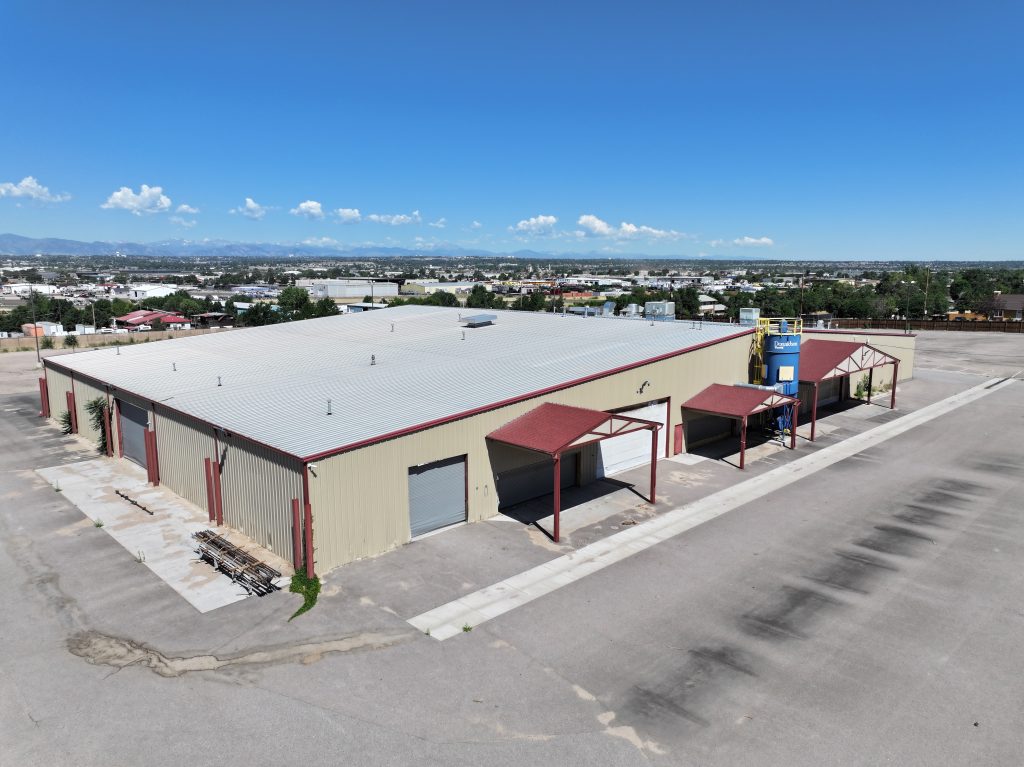
The strongest industrial leasing decisions in RiNo begin with operational clarity. We identify clear height, column spacing, and floor condition, power, HVAC, gas, fire protection, and specialized utilities, and truck access, yard, outdoor storage, and parking, then let market evidence—not tour momentum—determine which candidates advance.
For this RiNo assignment, success means helping the client find an industrial facility that supports production, warehouse, service, loading, utility, and access requirements. That requires enough local context to create real alternatives and enough property detail to understand the cost and consequence of each choice.
See our tenant representation services for the broader occupier framework; this page applies it to industrial leasing with adaptive reuse, industrial legacy conditions, zoning, parking, and ongoing redevelopment kept in view.
How Adaptive Reuse and Redevelopment Shape Industrial Leasing
Adaptive-reuse buildings can provide character that is difficult to reproduce, but older systems or unconventional layouts can add cost and schedule risk. We compare the value of the existing improvements against HVAC, electrical capacity, accessibility, loading, fire protection, and the amount of work needed before occupancy.
The value of the location depends on how it performs for this particular assignment. We weigh power, HVAC, gas, fire protection, and specialized utilities and lease economics, maintenance exposure, and improvement schedule against local questions involving adaptive reuse, use compatibility, loading, power, and build-out complexity, then compare the result with realistic alternatives in Five Points, Globeville, downtown Denver, and other north-central submarkets.
Filters for a More Useful Shortlist
The weighting changes by company. For this RiNo industrial leasing assignment, we keep the following items visible so function, economics, and diligence are compared on the same basis.
- Clear height, column spacing, and floor condition — classify it as a constraint, cost tradeoff, or negotiation point for RiNo.
- Power, hvac, gas, fire protection, and specialized utilities — decide whether it belongs in screening, diligence, or negotiation.
- Truck access, yard, outdoor storage, and parking — determine whether it is correctable, negotiable, or an inherited limitation.
- Office percentage and employee support space — verify it against the actual operation before deeper industrial leasing work.
How We Compare Function and Transaction Quality
Our RiNo comparison puts lease economics, maintenance exposure, and improvement schedule beside dock-high and drive-in loading requirements and clear height, column spacing, and floor condition. The purpose is to keep a favorable asking term or visual impression from outweighing the way the property will function after occupancy or closing.
The practical workflow is to screen the market for technical viability, tour with a building-systems checklist rather than aesthetics alone, and verify material dimensions, utilities, and use assumptions. We pair those steps with an ongoing review of power, HVAC, gas, fire protection, and specialized utilities so final terms reflect both the property and the transaction.
Our commercial real estate process connects requirements, screening, tours, and negotiation; here we apply those steps to industrial leasing while accounting for adaptive reuse, industrial legacy conditions, zoning, parking, and ongoing redevelopment.
A Local Decision Scenario
For a warehouse or production user, the RiNo shortlist can change after deeper review. A property may lose ground because truck circulation, utilities, or permitted use fails a non-negotiable requirement; another can move ahead when the facility supports the process without a costly utility or circulation workaround. We separate those facts from first impressions before making the industrial leasing recommendation.
How We Reduce Rework and Deadline Pressure
We move through the RiNo industrial leasing assignment in stages so each decision improves the next one. For industrial leasing, we build the sequence around the client’s deadline, approval path, and the property questions that must be settled before commitment.
- Map the operation and non-negotiable building requirements, then record what changed in the industrial leasing comparison.
- Screen the market for technical viability, using the local requirement as the standard.
- Tour with a building-systems checklist rather than aesthetics alone, keeping the operating requirement ahead of deal momentum.
- Verify material dimensions, utilities, and use assumptions and carry unresolved property questions forward.
Our current Benchmark listings provide one snapshot of availability. For Rino, we also evaluate alternatives against the client’s functional, financial, and timing requirements.
Property Economics in the Real World
For this industrial leasing assignment, we pay close attention to whether truck circulation, utilities, or permitted use fails a non-negotiable requirement. The comparison improves when the facility supports the process without a costly utility or circulation workaround. Comparing the downside and the operating benefit together reduces the chance that a superficially cheaper option wins on incomplete economics.
The Benchmark Approach to a Local Assignment
Benchmark Commercial was founded in Denver in 2013, and our stated values include relationships, communication, honesty, simplicity, and accountability. For industrial leasing work in RiNo, we put those values into practice by explaining tradeoffs, documenting assumptions, and keeping the client’s business requirement in front of the transaction.
Our commercial real estate FAQs covers common transaction questions; this industrial leasing page adds the local property layer, including adaptive reuse, industrial legacy conditions, zoning, parking, and ongoing redevelopment.
Public Resources for Property-Specific Diligence
Local source material can expose a diligence question early enough to change an industrial leasing shortlist. We review the references below for context, then seek authoritative confirmation whenever the client will rely on the conclusion.
- Denver urban design standards and guidelines — Helps frame local industrial leasing questions tied to adaptive reuse, industrial legacy conditions, zoning, parking, and ongoing redevelopment before the shortlist narrows.
- Denver zoning code — Public-source context for industrial leasing decisions where adaptive reuse, industrial legacy conditions, zoning, parking, and ongoing redevelopment may affect cost, timing, or feasibility.
- Denver building codes and standards — Useful for identifying the next industrial leasing diligence question when adaptive reuse, industrial legacy conditions, zoning, parking, and ongoing redevelopment matter to the decision.
- RTD regional transit information — Official context for industrial leasing when adaptive reuse, industrial legacy conditions, zoning, parking, and ongoing redevelopment need early screening or follow-up.
Common Questions About This Local Search
Q: What should we compare besides the advertised rent or asking price for industrial leasing in RiNo?
A: Headline economics are only one part of the comparison. We also compare operational fit, access, required improvements, timing, recurring occupancy costs, and the flexibility the industrial leasing option leaves for future change.
Q: When does a lower-cost option stop being the better value during industrial leasing work in RiNo?
A: A lower headline number is not a savings if the industrial leasing choice creates offsetting costs elsewhere in the business. Our industrial leasing comparison makes those hidden costs visible.
Q: Who should confirm zoning, code, environmental, engineering, or legal questions during industrial leasing work in RiNo?
A: We help determine which property questions need outside confirmation. When a formal determination is needed, the client should use the responsible municipality or a qualified attorney, engineer, architect, environmental consultant, lender, inspector, or other specialist.
Q: Which local issue deserves early verification during industrial leasing work in RiNo?
A: For this assignment, we screen adaptive reuse, use compatibility, loading, power, and build-out complexity early. We use reliable public information to identify the industrial leasing issue, then send any formal legal or technical determination to the appropriate agency or professional.
When the timing is right, we can help you compare the RiNo options, preserve leverage, and move toward a decision that works operationally as well as financially.