


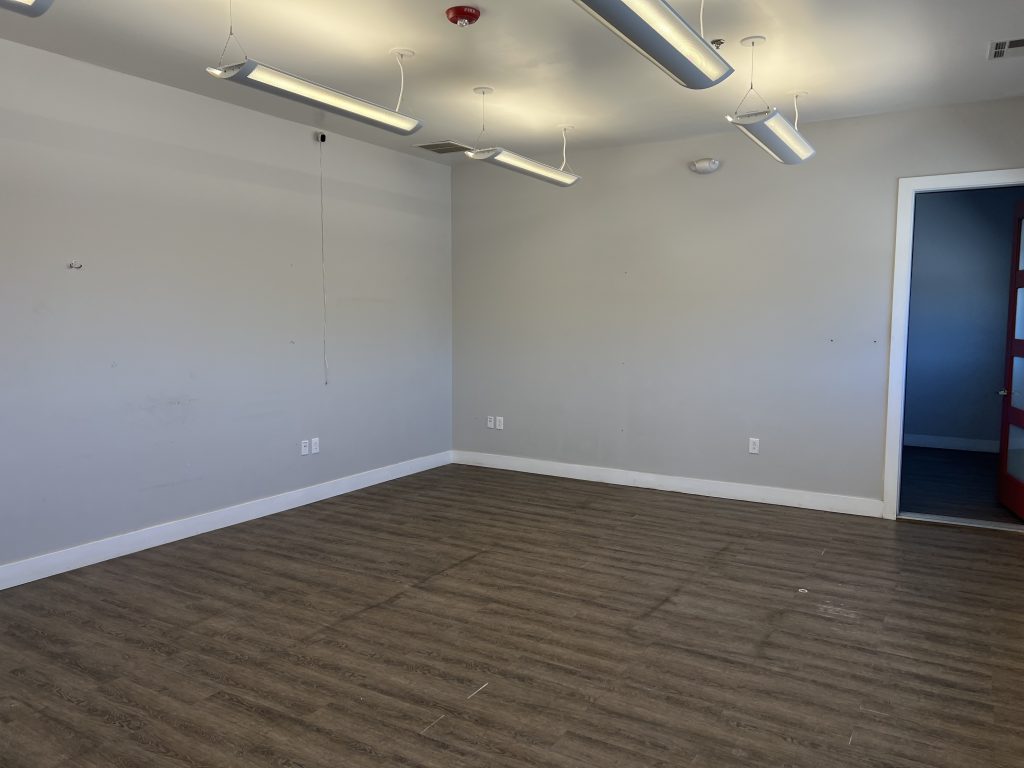
We approach tenant representation in RiNo as a business decision with a real estate component. The requirement is built around clear operational requirements before touring, credible relocation or alternative-space options, and effective occupancy cost, not only quoted rent, giving the client a consistent basis for comparing options that may look very different on paper.
The decision standard for RiNo is whether the transaction will protect the tenant’s business interests during a search, relocation, expansion, or lease negotiation. We return to that standard whenever a new property, proposal, or diligence finding changes the apparent ranking.
See our tenant representation services for the broader occupier framework; this page applies it to tenant representation with adaptive reuse, industrial legacy conditions, zoning, parking, and ongoing redevelopment kept in view.
How Adaptive Reuse and Redevelopment Shape Tenant Representation
RiNo blends industrial history with creative office, flex, production, retail, and newer mixed-use development. That variety makes exact use more important than a neighborhood label: ceiling height, loading, power, parking, noise tolerance, customer access, and build-out can matter more than conventional finishes.
In this service context, we translate the area’s characteristics into two immediate tests—credible relocation or alternative-space options and renewal, expansion, assignment, and termination flexibility where available—while keeping adaptive reuse, use compatibility, loading, power, and build-out complexity visible. This approach makes day-to-day operating needs the test for a location and uses adaptive reuse, industrial legacy conditions, zoning, parking, and ongoing redevelopment only where those factors affect the decision.
What Our Representation Covers
Our RiNo comparison puts renewal, expansion, assignment, and termination flexibility where available beside schedule risk between lease execution, construction, and occupancy and clear operational requirements before touring. The purpose is to keep a favorable asking term or visual impression from outweighing the way the property will function after occupancy or closing.
The practical workflow is to negotiate economic and non-economic business terms, keep the transaction schedule aligned with build-out and move planning, and document the business requirement and decision makers. We pair those steps with an ongoing review of credible relocation or alternative-space options so final terms reflect both the property and the transaction.
Our commercial real estate process connects requirements, screening, tours, and negotiation; here we apply those steps to tenant representation while accounting for adaptive reuse, industrial legacy conditions, zoning, parking, and ongoing redevelopment.
Why Implementation Belongs in the Real Estate Decision
For this tenant representation assignment, we pay close attention to whether the proposal shifts improvement cost or schedule risk back to the tenant. The comparison improves when credible alternatives preserve leverage and the proposal is normalized against the full occupancy cost. That side-by-side view makes it harder for a lower quoted figure to dominate despite higher practical costs or risk.
What We Compare Side by Side
The weighting changes by company. For this RiNo tenant representation assignment, we keep the following items visible so function, economics, and diligence are compared on the same basis.
- Clear operational requirements before touring — confirm how it affects the RiNo requirement before advancing a finalist.
- Credible relocation or alternative-space options — compare it consistently across the serious local options.
- Effective occupancy cost, not only quoted rent — identify who can confirm it and whether a weak answer is disqualifying.
- Tenant-improvement scope and delivery responsibility — classify it as a constraint, cost tradeoff, or negotiation point for RiNo.
A Practical Example of the Tradeoff
One way to test a finalist in RiNo is to ask what happens after signing or closing. For a tenant with an upcoming lease decision, the proposal shifts improvement cost or schedule risk back to the tenant can become a recurring burden, while credible alternatives preserve leverage and the proposal is normalized against the full occupancy cost can reduce implementation risk and preserve flexibility.
Building Leverage One Step at a Time
We move through the RiNo tenant representation assignment in stages so each decision improves the next one. Each step follows the client’s real schedule and approval needs, with property diligence advanced early enough to influence the tenant representation decision.
- Tour only properties that satisfy the core requirement, using the local requirement as the standard.
- Request and normalize proposals before comparing them, keeping the operating requirement ahead of deal momentum.
- Negotiate economic and non-economic business terms and carry unresolved property questions forward.
- Keep the transaction schedule aligned with build-out and move planning, with timing consequences documented at the same step.
Our commercial real estate FAQs covers common transaction questions; this tenant representation page adds the local property layer, including adaptive reuse, industrial legacy conditions, zoning, parking, and ongoing redevelopment.
Where Local Rules and Maps Enter the Process
For this tenant representation assignment, public information helps identify which assumptions deserve confirmation before the transaction narrows. The resources are useful for screening, not as replacements for the professional or governmental review required by a specific property or transaction.
- Denver urban design standards and guidelines — Useful for identifying the next tenant representation diligence question when adaptive reuse, industrial legacy conditions, zoning, parking, and ongoing redevelopment matter to the decision.
- Denver zoning code — Official context for tenant representation when adaptive reuse, industrial legacy conditions, zoning, parking, and ongoing redevelopment need early screening or follow-up.
- Denver building codes and standards — Useful public information for tenant representation, especially where adaptive reuse, industrial legacy conditions, zoning, parking, and ongoing redevelopment affect a finalist.
- RTD regional transit information — A starting point for tenant representation diligence involving adaptive reuse, industrial legacy conditions, zoning, parking, and ongoing redevelopment; formal determinations still require the proper authority.
A Clearer Commercial Real Estate Process
Benchmark Commercial’s Denver-based perspective is paired with stated values of relationships, communication, honesty, simplicity, and accountability. In this RiNo tenant representation assignment, those values translate into clear comparisons, direct discussion of risk, and a recommendation tied to the client’s operating goals.
As a market reference, review our current Benchmark listings. We use that inventory as a starting point, not a substitute for a complete Rino tenant representation search.
Questions We Hear During This Type of Assignment
Q: How early should a company begin tenant representation work in RiNo?
A: Start early enough that timing does not eliminate credible alternatives. A useful tenant representation schedule leaves room for screening, diligence, economics, and internal approvals.
Q: How do we keep tenant representation work in RiNo focused on viable options?
A: We avoid tour volume as a measure of progress. For tenant representation, the shortlist is narrowed by business requirements, realistic economics, and property-specific diligence.
Q: Which local issue deserves early verification during tenant representation work in RiNo?
A: A recurring local diligence topic is adaptive reuse, use compatibility, loading, power, and build-out complexity. Benchmark can help frame the issue and gather context, then the client should obtain any transaction-critical determination from the appropriate authority or specialist.
Q: Who should confirm zoning, code, environmental, engineering, or legal questions during tenant representation work in RiNo?
A: Our role is to flag the question and keep it on the transaction schedule. Brokerage research does not replace formal professional conclusions on zoning, code, environmental, engineering, legal, tax, financing, or architectural matters.
Bring us the RiNo requirement before the shortlist is fixed, and we can organize the search, economics, diligence questions, and negotiation around the business outcome.