


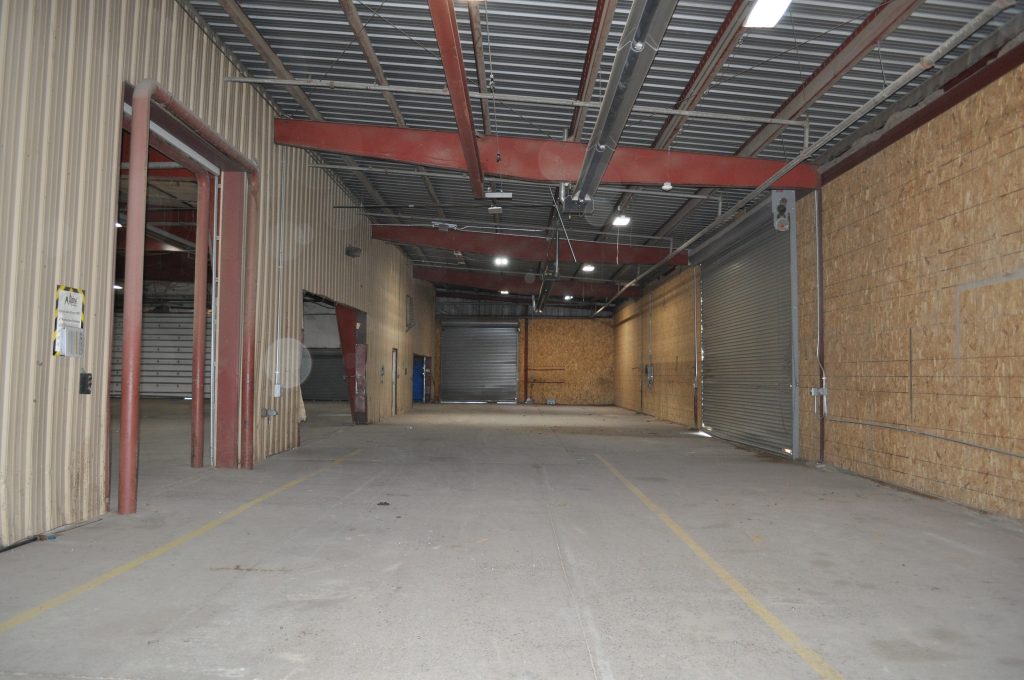
In the LoDo market, headline terms only become meaningful after the property is tested against the operation. Our early review centers on zoning or use compatibility and future expansion, resale flexibility and the risk of highly specialized improvements, and operational fit and realistic improvement scope, then adds the economics and implementation schedule needed to make a defensible decision.
We want the LoDo process to end with a clear answer to whether the client can help an owner-user or commercial buyer compare properties, economics, contingencies, and long-term fit before acquisition. We therefore judge function, financial terms, schedule, and available alternatives together as one business decision.
Our buyer representation services page outlines the acquisition framework behind this buyer representation decision, including property-level diligence and negotiation.
How Historic Buildings, Transit, and Loading Shape Buyer Representation
We do not score an option in LoDo on one attractive feature. For this buyer representation assignment, purchase price and financing assumptions, taxes, insurance, maintenance, and ownership costs, and title, survey, inspections, and environmental diligence are reviewed as a package so the client can see immediate fit and the cost of correcting a shortfall.
Once that filter is working, we research marketed and relevant acquisition opportunities, then compare buildings on function and long-term economics, and structure an offer around price, timing, and contingencies. We keep zoning or use compatibility and future expansion in the scorecard because it can change the effective economics or the schedule after a property looks workable.
Our commercial real estate process connects requirements, screening, tours, and negotiation; here we apply those steps to buyer representation while accounting for historic-building constraints, parking, transit, loading, and downtown access.
What Has to Work Before Price Wins
The weighting changes by company. For this LoDo buyer representation assignment, we keep the following items visible so function, economics, and diligence are compared on the same basis.
- Zoning or use compatibility and future expansion — verify it against the actual operation before deeper buyer representation work.
- Resale flexibility and the risk of highly specialized improvements — carry the consequence into the local financial and timing comparison.
- Operational fit and realistic improvement scope — confirm how it affects the LoDo requirement before advancing a finalist.
- Purchase price and financing assumptions — compare it consistently across the serious local options.
The Local Questions Behind the Shortlist
Regional transit and downtown connectivity are central parts of LoDo’s appeal. At the same time, an office, retail, or owner-user decision should account for how employees, clients, vendors, and deliveries actually reach the property rather than treating a downtown address as a complete access solution.
For buyer representation work, the local takeaway is practical: historic building conditions, parking, transit, loading, and downtown improvement requirements should be tested alongside resale flexibility and the risk of highly specialized improvements and taxes, insurance, maintenance, and ownership costs. For this buyer representation assignment, that combination shows which properties deserve deeper review and which questions around historic building conditions, parking, transit, loading, and downtown improvement requirements need direct confirmation.
Where Cost and Risk Hide
One risk in buyer representation work is that deferred maintenance or required improvements absorb more capital than the purchase comparison assumed. We look for it while alternatives remain credible and compare it with the value created when the property supports the operation with manageable improvements and clearer long-term ownership costs. We use that distinction to tell a term we may be able to negotiate from a property limitation the business would continue to carry.
Useful Local Sources Before Commitment
Useful diligence starts with knowing which public source can answer the next buyer representation question. The references below can add context around historic building conditions, parking, transit, loading, and downtown improvement requirements, with direct municipal or specialist confirmation used when the transaction depends on the answer.
- Denver Downtown Area Plan — Helps frame local buyer representation questions tied to historic-building constraints, parking, transit, loading, and downtown access before the shortlist narrows.
- Denver zoning code — Public-source context for buyer representation decisions where historic-building constraints, parking, transit, loading, and downtown access may affect cost, timing, or feasibility.
- Denver building codes and standards — Useful for identifying the next buyer representation diligence question when historic-building constraints, parking, transit, loading, and downtown access matter to the decision.
- RTD regional transit information — Official context for buyer representation when historic-building constraints, parking, transit, loading, and downtown access need early screening or follow-up.
A More Disciplined Search and Negotiation Sequence
We move through the LoDo buyer representation assignment in stages so each decision improves the next one. The order of work is set by timing, internal decision points, and the diligence items most likely to affect this buyer representation assignment.
- Structure an offer around price, timing, and contingencies and carry unresolved property questions forward.
- Coordinate diligence while preserving decision points, with timing consequences documented at the same step.
- Move toward closing only after material property questions are addressed while credible alternatives remain available.
- Define the owner-user or investment requirement, then record what changed in the buyer representation comparison.
For an inventory snapshot, see our current Benchmark listings. The shortlist for a Lodo buyer representation assignment is still driven by the client’s complete requirement.
What a Real-World Comparison Can Reveal
Picture an owner-user considering a purchase evaluating a property in LoDo. The transaction can look favorable until deferred maintenance or required improvements absorb more capital than the purchase comparison assumed, while a competing option may become more practical when the property supports the operation with manageable improvements and clearer long-term ownership costs. That tradeoff belongs in the same buyer representation comparison.
How We Keep the Client’s Priorities in Front
Our Denver roots matter most when local knowledge is paired with a clear process. During buyer representation work in LoDo, Benchmark’s focus on relationships, communication, honesty, simplicity, and accountability shows up in how we organize choices, surface uncertainty, and explain the reasoning behind a recommendation.
Our commercial real estate FAQs covers common transaction questions; this buyer representation page adds the local property layer, including historic-building constraints, parking, transit, loading, and downtown access.
FAQ: Planning the Next Real Estate Step
Q: Which local issue deserves early verification during buyer representation work in LoDo?
A: For this assignment, we screen historic building conditions, parking, transit, loading, and downtown improvement requirements early. Public sources help us define what needs to be checked; formal legal, engineering, code, or other technical conclusions stay with the qualified authority.
Q: Who should confirm zoning, code, environmental, engineering, or legal questions during buyer representation work in LoDo?
A: We help determine which property questions need outside confirmation. We can flag the question, but formal conclusions should come from the relevant public agency or appropriately licensed technical, legal, environmental, lending, or inspection professional.
Q: When does a lower-cost option stop being the better value during buyer representation work in LoDo?
A: The apparent bargain stops being attractive when implementation, access, operating, or flexibility costs absorb the difference. Our buyer representation comparison makes those hidden costs visible.
Q: What should we compare besides the advertised rent or asking price for buyer representation in LoDo?
A: Headline economics are only one part of the comparison. Our financial comparison includes how the property functions, what it takes to occupy it, recurring costs, access, schedule, and future options.
A stronger LoDo decision starts with clear requirements and enough time to create alternatives. We can help build that framework and carry it through negotiation.