


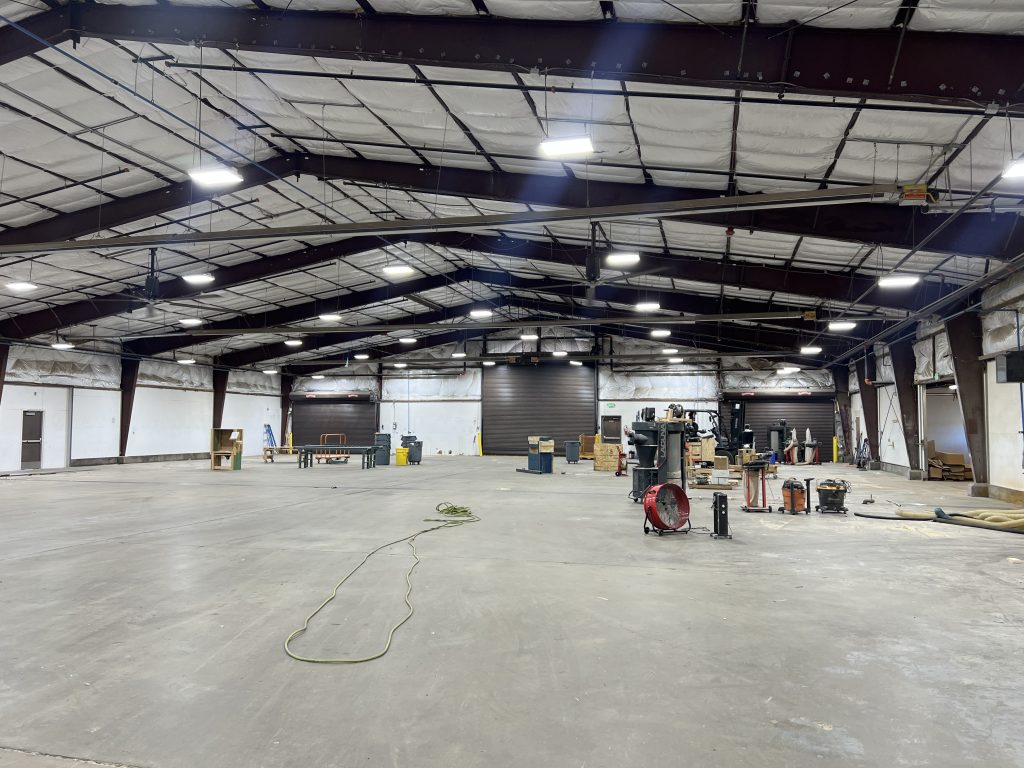
For RiNo, we frame flex-space leasing around what the company must accomplish during the next transaction cycle. That means defining office-to-warehouse or showroom ratio, loading, clear height, storage, and circulation, and power, HVAC, fire protection, and other systems before a favorite building or location starts shaping the requirement.
The working outcome is straightforward: balance office, warehouse, showroom, service, and light-industrial functions in one facility. We keep that outcome visible throughout the RiNo assignment so new information can change the ranking without changing the decision standard.
See our tenant representation services for the broader occupier framework; this page applies it to flex-space leasing with adaptive reuse, industrial legacy conditions, zoning, parking, and ongoing redevelopment kept in view.
How Adaptive Reuse and Redevelopment Shape Flex-Space Leasing
The serious options for this RiNo flex-space leasing assignment are screened for signage, visibility, and customer-facing needs where relevant, improvement scope, lease cost, and occupancy schedule, and office-to-warehouse or showroom ratio. That classification keeps genuine constraints from being confused with items that design, construction, or negotiation can solve.
Once that filter is working, we map each business function and its space requirement, then screen buildings for the right physical mix, and tour with both office and industrial criteria. We keep loading, clear height, storage, and circulation in the scorecard because it can change the effective economics or the schedule after a property looks workable.
Our commercial real estate process connects requirements, screening, tours, and negotiation; here we apply those steps to flex-space leasing while accounting for adaptive reuse, industrial legacy conditions, zoning, parking, and ongoing redevelopment.
What We Compare Side by Side
The weighting changes by company. For this RiNo flex-space leasing assignment, we keep the following items visible so function, economics, and diligence are compared on the same basis.
- Office-to-warehouse or showroom ratio — decide whether it belongs in screening, diligence, or negotiation.
- Loading, clear height, storage, and circulation — determine whether it is correctable, negotiable, or an inherited limitation.
- Power, hvac, fire protection, and other systems — verify it against the actual operation before deeper flex-space leasing work.
- Employee, customer, and vehicle parking — carry the consequence into the local financial and timing comparison.
Local Conditions Worth Testing Early
RiNo blends industrial history with creative office, flex, production, retail, and newer mixed-use development. That variety makes exact use more important than a neighborhood label: ceiling height, loading, power, parking, noise tolerance, customer access, and build-out can matter more than conventional finishes.
In this service context, we translate the area’s characteristics into two immediate tests—loading, clear height, storage, and circulation and signage, visibility, and customer-facing needs where relevant—while keeping adaptive reuse, use compatibility, loading, power, and build-out complexity visible. We connect the local context to the business requirement so adaptive reuse, industrial legacy conditions, zoning, parking, and ongoing redevelopment matters only to the extent it changes how the property will work.
Why Implementation Belongs in the Real Estate Decision
One risk in flex-space leasing work is that the building has the wrong mix of office, loading, parking, or warehouse functionality. We look for it while alternatives remain credible and compare it with the value created when the existing office-to-warehouse mix already supports the company’s workflow. The client can then see which concerns belong at the negotiating table and which are structural limits of the option itself.
Where Local Rules and Maps Enter the Process
For this flex-space leasing assignment, public information helps identify which assumptions deserve confirmation before the transaction narrows. We treat the links below as research inputs and route any decision-critical legal, technical, governmental, tax, lending, or environmental question to the proper expert.
- Denver urban design standards and guidelines — Useful for identifying the next flex-space leasing diligence question when adaptive reuse, industrial legacy conditions, zoning, parking, and ongoing redevelopment matter to the decision.
- Denver zoning code — Official context for flex-space leasing when adaptive reuse, industrial legacy conditions, zoning, parking, and ongoing redevelopment need early screening or follow-up.
- Denver building codes and standards — Useful public information for flex-space leasing, especially where adaptive reuse, industrial legacy conditions, zoning, parking, and ongoing redevelopment affect a finalist.
- RTD regional transit information — A starting point for flex-space leasing diligence involving adaptive reuse, industrial legacy conditions, zoning, parking, and ongoing redevelopment; formal determinations still require the proper authority.
Building Leverage One Step at a Time
We move through the RiNo flex-space leasing assignment in stages so each decision improves the next one. Timing for this flex-space leasing work is driven by the business deadline and the questions that have to be answered before the client can commit with confidence.
- Compare total occupancy cost and implementation time, using the local requirement as the standard.
- Negotiate improvements, delivery condition, and lease flexibility, keeping the operating requirement ahead of deal momentum.
- Map each business function and its space requirement and carry unresolved property questions forward.
- Screen buildings for the right physical mix, with timing consequences documented at the same step.
Use our current Benchmark listings as an initial view of available properties. Finalists for Rino are screened against the full flex-space leasing criteria, not listing status alone.
A Practical Example of the Tradeoff
During flex-space leasing work in RiNo, a company combining office and operational functions may see two properties trade places as details develop. The downside is clearest when the building has the wrong mix of office, loading, parking, or warehouse functionality; the upside is more meaningful when the existing office-to-warehouse mix already supports the company’s workflow. We make the resulting change in ranking explicit.
A Clearer Commercial Real Estate Process
Benchmark is a Denver commercial real estate firm built around local market knowledge and long-term client relationships. For this RiNo flex-space leasing decision, our role is to make complicated property and transaction tradeoffs understandable without oversimplifying the issues that still need legal, technical, financial, or municipal review.
Our commercial real estate FAQs covers common transaction questions; this flex-space leasing page adds the local property layer, including adaptive reuse, industrial legacy conditions, zoning, parking, and ongoing redevelopment.
Questions We Hear During This Type of Assignment
Q: When does a lower-cost option stop being the better value during flex-space leasing work in RiNo?
A: The comparison adds the cost of correcting functional gaps before treating the lower figure as a true savings. The economic advantage may reverse after the cost of improvements, schedule, operating responsibility, and future flexibility are included.
Q: What should we compare besides the advertised rent or asking price for flex-space leasing in RiNo?
A: The strongest value is determined by total occupancy or ownership impact, not the first number on a flyer or proposal. Our comparison adds operating or ownership costs, improvements, timing, and flexibility.
Q: What belongs in a serious financial comparison for flex-space leasing work in RiNo?
A: Include rent or price, operating costs, improvements, maintenance or ownership exposure, parking where relevant, moving or downtime, increases, concessions, financing assumptions, and timing.
Q: Should the flex-space leasing assignment in RiNo also test Five Points, Globeville, downtown Denver, and other north-central submarkets?
A: Nearby alternatives can provide leverage and a useful reality check. We include Five Points, Globeville, downtown Denver, and other north-central submarkets only when they can genuinely support the business, then compare them on the same framework.
Bring us the RiNo requirement before the shortlist is fixed, and we can organize the search, economics, diligence questions, and negotiation around the business outcome.